

Assessment
The fissure and surrounding area are assessed before treatment.
Laser treatment for pilonidal sinus is a minimally invasive approach that can help treat the sinus tract while minimizing tissue damage. The procedure is designed to reduce discomfort and support a faster recovery.
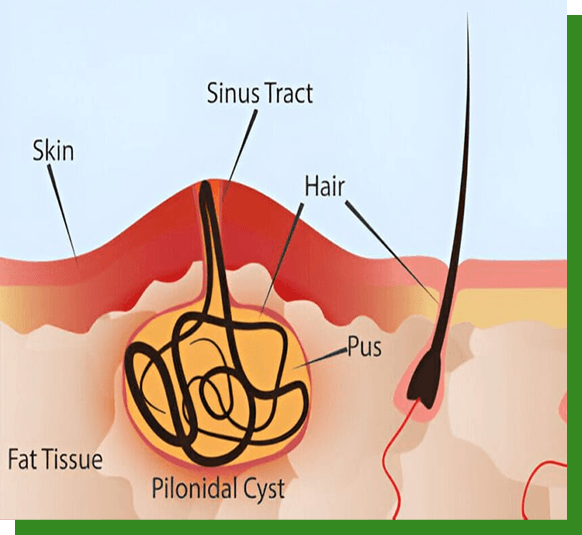
A pilonidal sinus is a small opening or tract that commonly develops in the skin and tissues near the cleft of the buttocks, usually close to the tailbone.
It may contain hair, debris or inflamed tissue and can sometimes become infected, resulting in pain, swelling, redness or discharge.
Symptoms can vary depending on the stage of the condition, ranging from mild discomfort and swelling to pain, discharge, and signs of infection.
Discomfort around the tailbone, especially while sitting or during inflammation.
An inflamed sinus may appear as a tender or swollen area in the cleft of the buttocks.
Pus, fluid or blood may drain from one or more sinus openings.
Inflammation around the sinus may result in redness and local skin irritation.
Repeated swelling, pain or discharge may indicate persistent or recurrent pilonidal disease.
Pilonidal disease can result from a combination of local skin conditions, hair, friction and pressure. Understanding these factors can help with long-term prevention.

Loose hair and skin debris can become trapped in the cleft and contribute to sinus formation.
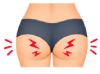
Repeated friction between the skin surfaces may contribute to local irritation.

Long periods of sitting can increase pressure around the tailbone region.

Repeated irritation may contribute to inflammation around the sinus openings.
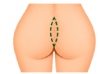
The depth and shape of the natal cleft can influence local conditions.

A previous abscess or drainage episode can be followed by persistent sinus disease.
Early assessment can help determine whether symptoms can be managed conservatively or whether a procedure may be appropriate.
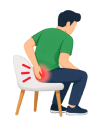
Pain that continues or repeatedly returns.

Repeated episodes of swelling or inflammation.

Persistent drainage from sinus openings.

Repeated episodes requiring medical treatment.
A proper evaluation helps determine the extent of the pilonidal sinus and guides the most appropriate treatment approach.
Detailed symptom history
Clinical examination
Assessment of the sinus and surrounding area
Review of previous treatments
Further investigations when clinically indicated
If symptoms continue despite appropriate conservative treatment, your doctor may recommend
further evaluation and discuss procedural treatment options.

The procedure is planned to address the identified sinus tract while taking the surrounding tissue and individual patient factors into consideration.
A carefully planned laser procedure uses controlled energy as part of treatment for selected fissure patients.
The fissure and surrounding area are assessed before treatment.
The patient and treatment area are prepared according to the procedure.
Controlled laser energy is delivered to the targeted area.
The treatment is intended to support the healing process.
Recovery and healing are assessed during follow-up.
The appropriate technique depends on the extent and characteristics of the pilonidal disease.
| Feature | Laser Approach | Conventional Surgery |
|---|---|---|
| Treatment Approach | Minimally invasive in selected cases | Surgical approach based on the chosen technique |
| Target Area | Focuses on the sinus tract | Varies according to the surgical technique |
| Tissue Disruption | May be limited in selected procedures | Varies according to the procedure |
| Wound Management | Technique-dependent | Technique-dependent |
| Recovery | Varies by patient and procedure | Varies by surgical technique |
Make an appointment and get expert guidance for your condition.


We combine ancient Ayurvedic wisdom with modern technology to deliver safe,
effective, and lasting results.

20+ years of expertise in Ayurvedic healthcare.

USFDA-approved laser equipment for better outcomes.

Comfortable treatments with faster recovery.

Recover faster with effective fistula treatment.

Personalized care tailored to your needs.

Quality care with transparent pricing and no hidden costs.
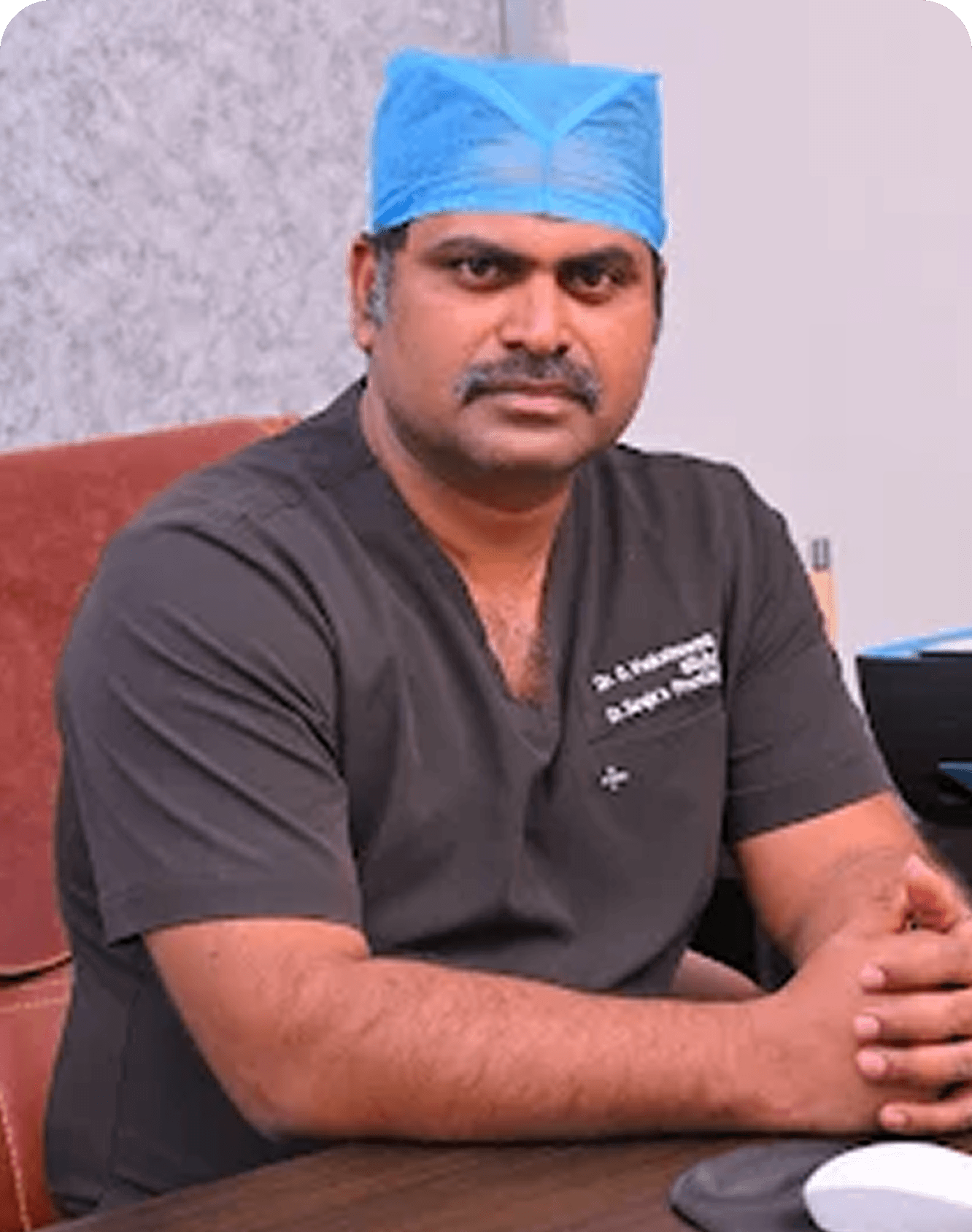
Chief Ayurvedic Proctologist & Kshara Sutra Specialist
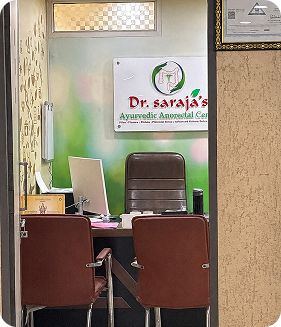
Flat No. 302, Abhinandana Jewel, Lanco Hills Road, Opp. HP Gas Godown, Shivapuri Colony, Muppas Panchavati Colony, Manikonda, Hyderabad, Telangana - 500089
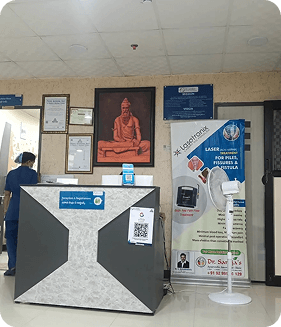
Metro Pillar No. 817, People's Hospital Complex, 3rd Floor, Beside Narayana Junior College, KPHB, Kukatpally, Hyderabad, Telangana - 500072
Discover the heartwarming healing journeys of our patients at Dr. Saraja’s Ayurvedic Anorectal Hospital. Their experiences reflect our commitment to personalised Ayurvedic care, compassionate treatment, and lasting healing.
The treatment was simple, comfortable and the doctor explained every step clearly. I feel much better now.
NareshGoogle ReviewProfessional consultation and good follow-up. I would recommend the clinic to anyone looking for expert care.
RameshGoogle ReviewThe treatment was simple, comfortable and the doctor explained every step clearly. I feel much better now.
PrasadGoogle ReviewProfessional consultation and good follow-up. I would recommend the clinic to anyone looking for expert care.
GopiGoogle ReviewSpeak with our care team and schedule a private consultation at your preferred
Hyderabad centre.