

Complex Anatomy
Complex fistula tracts may require more detailed treatment planning.
Laser-based procedures may be considered for patients with fistula-in-ano. A detailed evaluation helps determine whether laser treatment is appropriate based on the fistula type, severity, symptoms, and clinical findings.
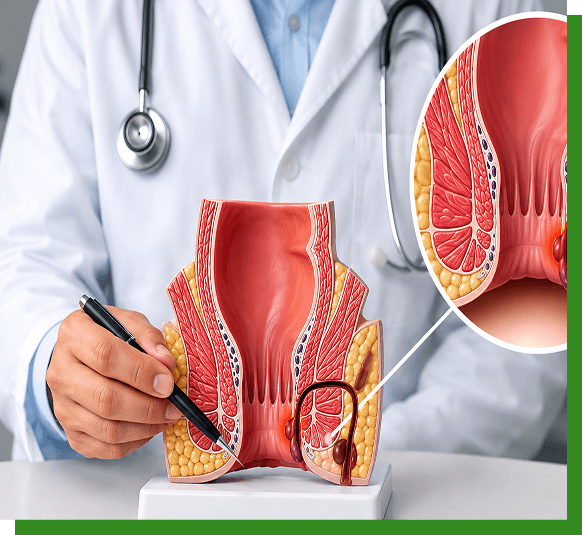
An anal fistula is an abnormal tunnel or tract that develops between the inside of the anal canal or rectum and the skin around the anus. It may develop following an infection or abscess and can cause persistent or recurrent symptoms.
Because fistulas can differ considerably in their location and complexity, treatment needs to be planned according to the individual fistula anatomy.
Fistulas are not all the same. Before selecting a treatment, the fistula tract, internal opening, external opening and relationship with the anal sphincter may need to be assessed.
Internal Opening Identify where the fistula begins inside the anal canal.
Fistula Tract Understand the course and complexity of the tract.
Sphincter Involvement Assess the relationship between the tract and sphincter muscles.
Additional Tracts Identify associated extensions or abscesses when present.
The procedure uses controlled laser energy within a selected fistula tract to support treatment and healing.
The internal and external openings are assessed and the course of the fistula tract is identified.
The fistula tract may be cleaned and prepared before the laser treatment is performed.
A laser fibre is introduced into the selected tract and controlled laser energy is delivered along its course.
The laser treatment is intended to encourage tissue contraction and healing within the treated tract.
Follow-up appointments help assess healing and identify persistent or recurrent disease.
The appropriate treatment depends on the fistula anatomy, complexity, sphincter involvement and individual circumstances.

A minimally invasive technique using controlled laser energy within selected fistula tracts.

A surgical technique that opens the fistula tract to allow it to heal from the inside outward.

A seton may be used in selected fistulas to support drainage or staged treatment.

A sphincter-preserving approach that addresses the fistula tract in the intersphincteric plane.

A tissue-flap technique that may be considered for selected complex fistulas.
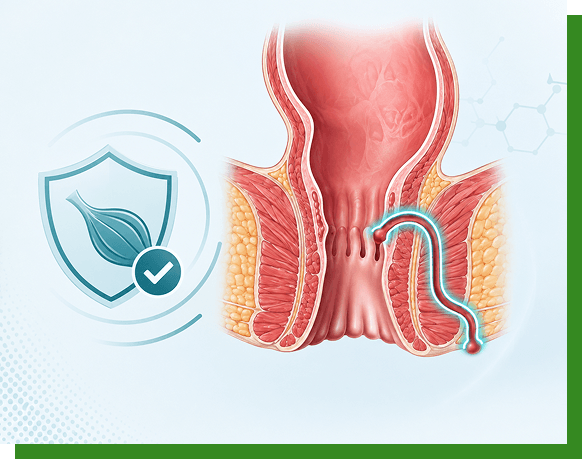
The anal sphincter muscles play an important role in bowel control. When a fistula involves the sphincter, treatment needs to balance fistula healing with preservation of sphincter function.
Laser treatment may be considered for selected patients after careful assessment of the fistula anatomy.
Selected anal fistulas with a suitable tract
Recurrent fistulas after previous treatment
Persistent fistula symptoms requiring intervention
Certain low or complex fistulas
Cases where sphincter preservation is important
Patients evaluated and considered suitable by the surgeon
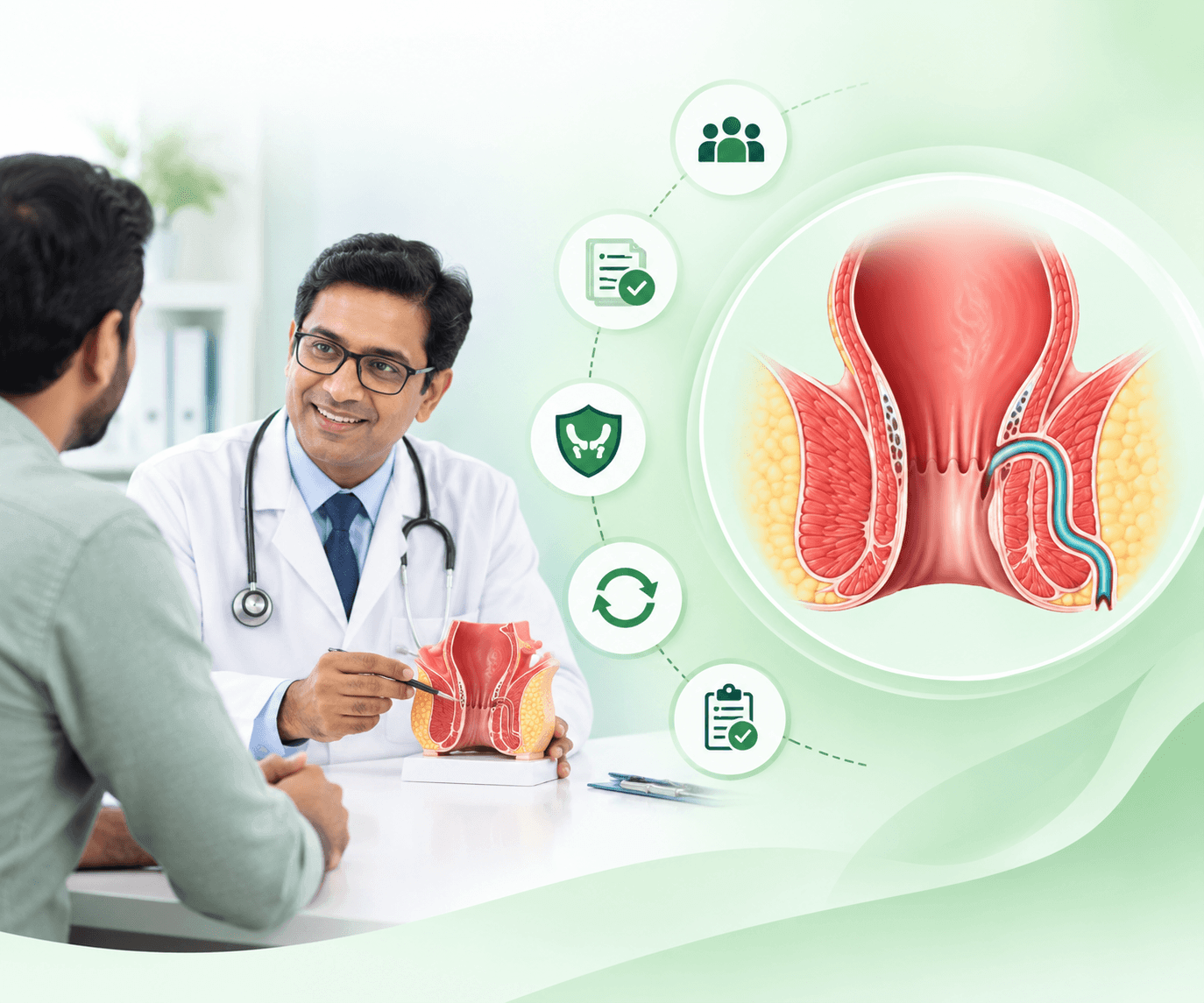
Your treatment pathway is planned according to your symptoms, fistula anatomy and individual needs.

Discuss your symptoms, medical history, previous treatments and concerns.

The external opening and surrounding area are assessed.

Imaging may be recommended when the tract is complex or difficult to map clinically.

The most appropriate treatment option is selected based on the findings.

The selected fistula tract is treated using the planned laser technique.

Healing is monitored and additional care is provided if needed.
Make an appointment and get expert guidance for your condition.


Temporary discomfort may occur during the healing period.
Some local swelling may occur after treatment.
Temporary changes in bowel habits may occur.
The treated area may remain tender temporarily.
Some discharge may occur while the tract heals.
Healing is monitored during follow-up visits.
Follow-up is an important part of fistula treatment. Your doctor can assess healing and identify persistent or recurrent disease when necessary.
Recurrence is possible after fistula treatment. Several factors can influence healing and recurrence risk.
Complex fistula tracts may require more detailed treatment planning.
Previous procedures may influence future treatment decisions.
Undetected or additional tracts can affect healing.
Regular follow-up can help identify persistent or recurrent disease.
We combine ancient Ayurvedic wisdom with modern technology to deliver safe,
effective, and lasting results.

20+ years of expertise in Ayurvedic healthcare.

USFDA-approved laser equipment for better outcomes.

Comfortable treatments with faster recovery.

Recover faster with effective fistula treatment.

Personalized care tailored to your needs.

Quality care with transparent pricing and no hidden costs.

Chief Ayurvedic Proctologist & Kshara Sutra Specialist
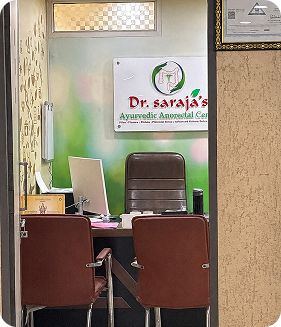
Flat No. 302, Abhinandana Jewel, Lanco Hills Road, Opp. HP Gas Godown, Shivapuri Colony, Muppas Panchavati Colony, Manikonda, Hyderabad, Telangana - 500089
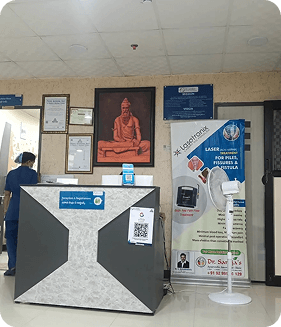
Metro Pillar No. 817, People's Hospital Complex, 3rd Floor, Beside Narayana Junior College, KPHB, Kukatpally, Hyderabad, Telangana - 500072
Discover the heartwarming healing journeys of our patients at Dr. Saraja’s Ayurvedic Anorectal Hospital. Their experiences reflect our commitment to personalised Ayurvedic care, compassionate treatment, and lasting healing.
The treatment was simple, comfortable and the doctor explained every step clearly. I feel much better now.
NareshGoogle ReviewProfessional consultation and good follow-up. I would recommend the clinic to anyone looking for expert care.
RameshGoogle ReviewThe treatment was simple, comfortable and the doctor explained every step clearly. I feel much better now.
PrasadGoogle ReviewProfessional consultation and good follow-up. I would recommend the clinic to anyone looking for expert care.
GopiGoogle ReviewSpeak with our care team and schedule a private consultation at your preferred
Hyderabad centre.